Energy Dividends: Trump Proposes Mandate for AI Data Centers to Offset Local Utility Costs
The administration has called for large-scale computing facilities to return excess power to neighboring towns to mitigate rising electricity bills and secure community approval.
By Mariana Delgado ·
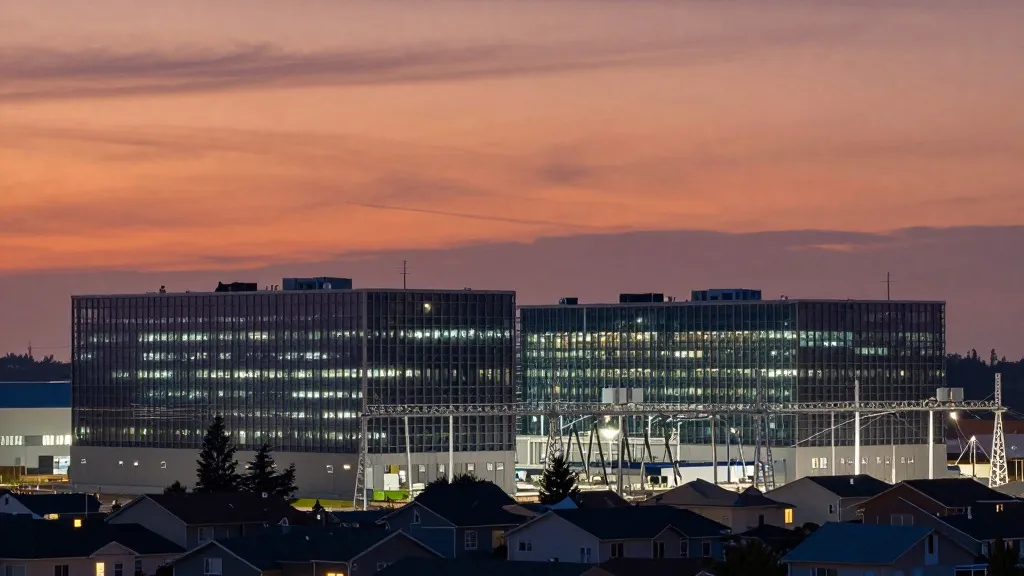
In a move intended to reshape the economic relationship between massive artificial intelligence infrastructure and the neighborhoods that host it, President Donald Trump has issued a directive calling for data center operators to provide financial or energy dividends to local communities. In a recent statement on the Truth Social platform, the President outlined a strategy where hyperscale builders would be required not only to generate their own power but also to sell or give back any excess energy to the surrounding area. This initiative aims to directly address the surge in local utility rates, potentially stabilizing or even reducing electricity costs for residents in the immediate vicinity of these facilities.
The proposal emerges against a backdrop of growing tension between local populations and the tech industry. Across the United States, communities have increasingly vocalized opposition to the expansion of AI data centers, citing significant disruptions to their daily lives. Residents frequently report heightened electricity bills, persistent noise pollution, and strain on local resources, including water shortages and air quality concerns. By demanding that these corporate entities contribute to the local grid or economy, the administration seeks to transform these facilities from sources of community friction into partners in local stability.
The core of this new approach is the concept of the 'energy dividend.' While the Trump administration has previously mandated that large data centers be responsible for their own electricity generation, the new directive adds a layer of community benefit. The goal is to ensure that the power generated by these facilities, particularly when it exceeds operational needs, flows back to the local grid. This mechanism is designed to alleviate the financial burden on households that have historically borne the brunt of grid upgrade costs associated with high-density computing operations.
This policy shift aligns with a broader governmental objective to maintain a competitive edge in the global AI race, particularly against China. To achieve this, the administration is seeking to make data center construction more palatable to local stakeholders. By offering a tangible benefit in the form of lower energy costs, the White House hopes to accelerate the approval and construction of new sites. The President emphasized the practical benefits of this arrangement, noting that data centers which were once unpopular in specific regions have become widely accepted once a financial agreement was reached.
In his closing remarks, the President urged industry leaders to 'MAKE DEALS, and get them built!!!' This directive suggests a preference for negotiated settlements over rigid regulatory frameworks, allowing for flexibility in how these dividends are structured. The administration has also recently passed legislation requiring data centers to cover the costs of necessary grid upgrades, preventing these expenses from being passed on to local taxpayers through general funds.
However, the practical implementation of this mandate faces several uncertainties. The term 'dividend' traditionally implies a distribution of profits, which raises questions about its feasibility for new data center builds that are still in the capital recovery phase. Critics note that many AI companies are currently operating at a loss, which could complicate the ability to pay out consistent financial returns to communities while simultaneously managing high construction and operational costs.
Furthermore, the type of power generation currently being installed at these sites often relies on gas-powered generators in the short term. While these systems can produce excess power, they are frequently associated with noise and emissions, which may limit their appeal to nearby residents. The transition to more sustainable or quieter energy sources will take time, meaning the immediate impact of the energy dividend may be mixed for those living in close proximity to the facilities.
Beyond the economic aspects, the proposal does not fully address other environmental concerns that have driven local opposition. Issues such as massive water consumption, ecological footprints, and long-term pollution remain significant hurdles. While the energy dividend offers a compelling financial incentive, it is only one component of the broader challenges associated with siting large-scale AI infrastructure in residential or semi-rural areas.
As the administration pushes for these deals to be finalized, the coming months will reveal whether this new model successfully shifts the public perception of AI data centers. The success of the initiative will depend on whether the financial and energy benefits provided to communities outweigh the ongoing environmental and logistical concerns, ultimately determining if these facilities can become accepted fixtures in the American landscape.
Source: Tom's Hardware